
November 10, 2026 • General
Most people assume that when a business outgrows its location, it needs a bigger building. That’s often true, but there are plenty of businesses operating out of buildings that have more than enough room inside.
The problem is getting everything to work outside.
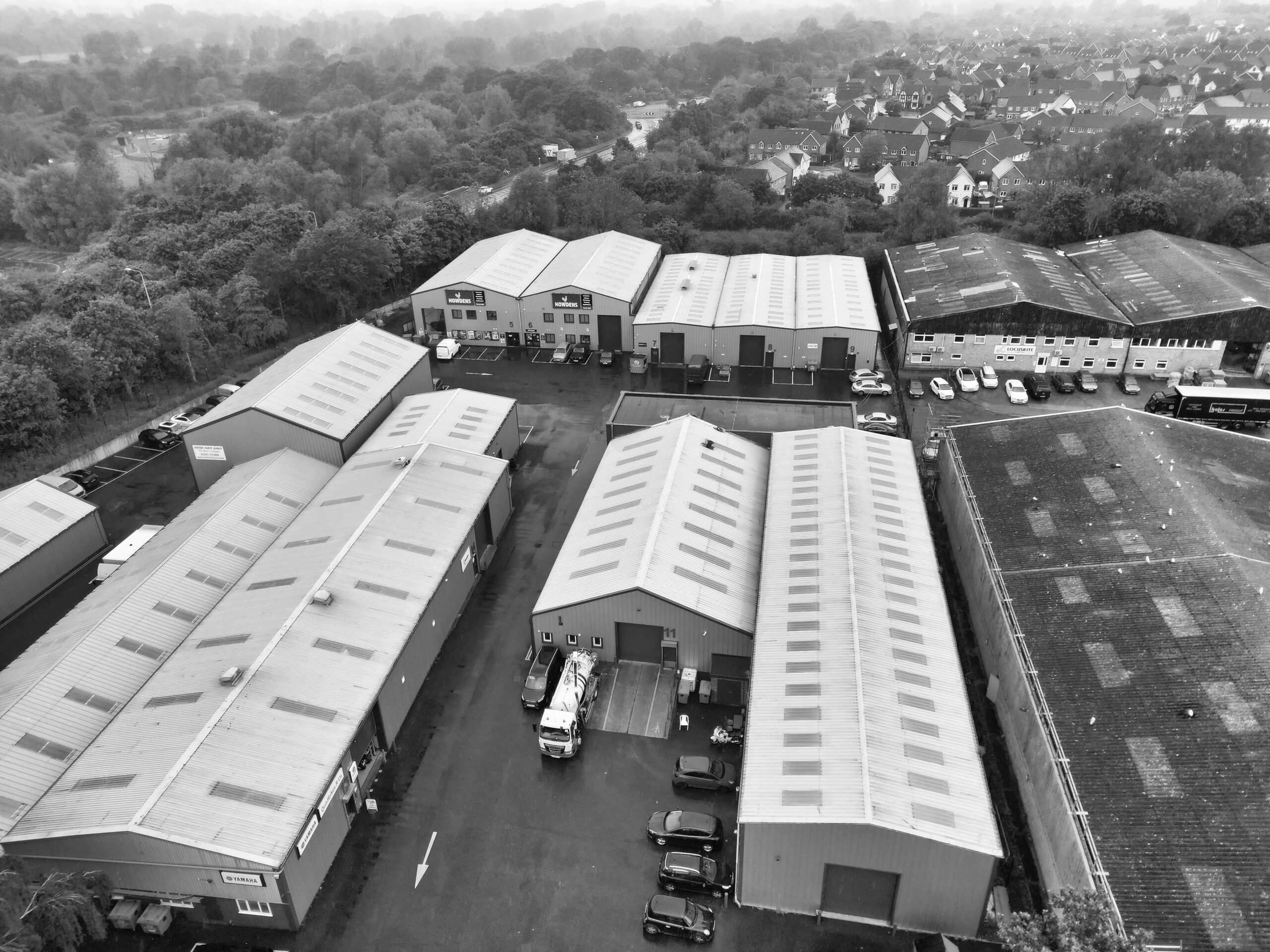
Parking is a good example. A small retail center might have plenty of square footage available, but that doesn’t do much good if customers are circling the parking lot looking for somewhere to park. The situation gets even worse when employees are using most of those spaces throughout the day.
I’ve seen commercial properties where the building itself would work for several different businesses, but the parking situation eliminates half of them before anyone even discusses rent.
A restaurant and an insurance office might both need 2,000 square feet. That doesn’t mean they need the same building. One might have customers coming and going constantly, while the other sees a handful of appointments each day.
The number of parking spaces matters, but so does how those spaces get used.
And parking isn’t the only issue.
A Building Can Become Inconvenient Over Time
Think about a contractor who started with a small warehouse and a couple of work trucks. The property worked well when the business opened. There was room for materials, the trucks could park outside, and employees could get in and out without much trouble.
A few years later, the company has six trucks, several trailers, and more equipment.
The warehouse might still have plenty of storage space. But every morning, someone has to move two vehicles just to get a trailer out. Deliveries become a hassle, and the yard stays crowded.
The owner could rent another thousand square feet of warehouse space and still have the same problem.
A property with a larger yard, wider access, or a different layout might be more useful than one with a bigger building.
The same thing happens with businesses that depend on customers visiting their location. A salon might have room for another stylist, but adding one more chair doesn’t help much if there’s nowhere for another customer to park.
In some cases, the business hasn’t even grown that much. Its operations have simply changed.
A retailer that used to depend on customers walking through the front door might now handle a large number of online orders. Suddenly, receiving deliveries and storing inventory matter more than having a prominent storefront.
That can change what makes a property valuable to the business.
There’s a Reason Businesses Don’t Move Sooner
Moving an established business is a headache, particularly when the owner has spent money improving the current space.
A salon may have installed plumbing for shampoo stations, built private rooms, and purchased cabinetry that fits the existing layout. Some of that investment can’t be recovered when the lease ends.
A restaurant has even more to consider. Kitchen equipment, ventilation, plumbing, and health department requirements can make relocating expensive before the first customer ever walks through the door.
It’s understandable why an owner might tolerate an inconvenient location rather than spend tens of thousands of dollars moving.
Sometimes that makes perfect sense.
A landlord might have another suite available, or the existing property might have enough room to make a few changes. If the business has a good relationship with ownership, there may be an opportunity to work something out without relocating.
But there’s only so much that can be done with certain properties.
A building sitting on a small lot isn’t going to suddenly have fifteen additional parking spaces. A warehouse with a narrow driveway may never be a good fit for a company operating several large trailers.
Those limitations were probably there when the business first moved in. They just weren’t a problem yet.
When it does become time to look for another property, the search should start with the things that aren’t working at the current location.
If parking is the issue, there’s little reason to tour another building with the same number of spaces. If trucks can’t maneuver around the property, a larger warehouse with the same narrow access won’t solve much.
Rental rates and square footage still matter, of course. But neither tells you whether a building will make running the business any easier.
A company might move from a 4,000-square-foot building into one with only 3,500 square feet and end up with a much better setup.
Sometimes the extra room was never what it needed.
About Wellborn Real Estate
Wellborn Real Estate works with commercial property owners and businesses throughout Amarillo and the surrounding Texas Panhandle. We assist with commercial leasing, property sales, business relocations, and lease negotiations.
Contact Wellborn Real Estate here to start the conversation.